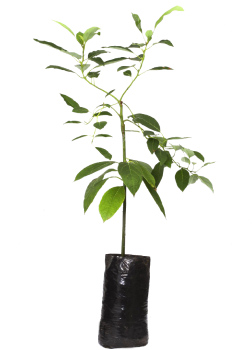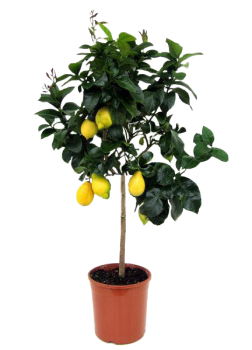
Choosing the right rootstock in addition varieties are very important steps to be taken prior to planting. The rootstock determines the future of the orchard! The characteristics of the rootstock, its suitability for a given soil, and its sensitivity/ resistance to disease and pests are of utmost significance. Occasionally, new varieties developed around the world are introduced, with the aim of achieving new aims and providing solutions previously unavailable.
Choosing the right rootstock in addition varieties are very important steps to be taken prior to planting. The rootstock determines the future of the orchard! The characteristics of the rootstock, its suitability for a given soil and its sensitivity/ resistance to disease and pests are of utmost significance. Occasionally, new varieties developed around the world are introduced, with the aim of achieving new aims and providing solutions previously unavailable.
 Apple
Apple |
Name and Nickname |
Source |
Soil suitability |
Sensitivity to disease and pests |
Suitability to varieties and types |
Tree/fruit shape |
Productivity |
Other features |
|---|---|---|---|---|---|---|---|
| M-26 Amela 26 | East Molling crossbreeding M9/M16 | Light and medium soil, slightly deficient anchorage, sensitive to dampness | Resistant to collar rot, sensitive to phytophthora | Suitable for dense planting and most varieties | Small tree, dwarfed – 35% of seed source | early | High quality, sensitivity to calcium shortage |
| Geneva 41 | cross between M.27 x Robusta 5 crabapple | most types | highly resistant to fire blight and phytophthora and it appears to be tolerant of replant disease | Suitable for dense planting and most varieties | Small tree, dwarfed – 35% of seed source | Early bearing | winter hardy very little suckering |
| M-9 Emla 9 | East Molling | Also suitable for heavy soil, unsuitable for light and dry soil, deficient anchorage - requires support | Resistant to collar rot and red scaleto fireblight, can develop burr knots | Suitable for dense planting in most varieties | Dwarfing effect – 40% of seed source | Very productive | Large fruit, early ripening when young |
| Geneva 935 | cross between Ottawa 3 x Robust 5 | Also suitable for heavy soil, unsuitable for light and dry soil, deficient anchorage - requires support | highly resistant to crown rot; highly resistant to fireblight. | Suitable for dense planting in most varieties | Dwarfing effect – 40% of seed source | early bearing | winter hardy, moderate suckering |
| MM-106 | East Molling John Innes | Sensitive to soil dampness, suffers lack of magnesium and not sensitive to surplus potassium, well anchored | Phytophthora, low sensitivity to red scale, sensitive to collar rot | Most varieties | Medium – 50% of seed source | Very productive | Large fruit |
| MM-104 | East Molling | Most soils, medium anchorage | Phytophthora similar to MM-106 | Most varieties, especially Granny Smith | Medium - large 75% of seed source | Productive | Large fruit, adds to color |
| MM-111 | East Molling, John Innes | Light and medium soils, more suitable that M-106 to heavy and sandy soil, well anchored | Sensitive to root disease, lower sensitivity than Malus to red scale | Most varieties, suitable for accelerated and Granny Smith | Medium large – 75% of seed source | Productive | |
| MM-109 | East Molling | Most soils | Less sensitive to red scale | Most varieties, especially Granny Smith and accelerated | Medium-large 85% of seed source | Productive | |
| Hashbi 10-1 | Israel (Rafi Asaf) | Most soils, defective anchorage | High sensitivity to red scale and mildew | Most varieties | Medium – 85% of seed source | Very good | Strong and recommended for warm climates |
| Hashbi 13-4 | Israel (Rafi Asaf) | Most soils, defective anchorage | Sensitivity to red scale and mildew | Most varieties | Large 90% – of seed source | Very good | Strong and recommended for warm climates |
 Pears
Pears |
Name and Nickname |
Source |
Soil suitability |
Sensitivity to disease and pests |
Suitability to varieties and types |
Tree/fruit shape |
Productivity |
Other features |
|---|---|---|---|---|---|---|---|
| BA-29 | Beaucouze-Angers, 1963 | light; medium; slightly poor anchoring; sensitivity to damp | resistant to rot, root bottle; sensitive to phytofetura | most varieties; suitable for dense panting | dwarfing 40-60% of seedling | early | some incompatibility with asian pear and, susceptible to high temperatures during season |
| OHF 87 | Reimer, Oregon State University | good with most soils | good tolerance to blight and decline | compatible with most pear varieties | semi-dwarf tree 40-60% | excellent producer, earlier than OHF97 | |
| OHF 333 | Reimer, Oregon State University | good with most soils | Its resistance to fireblight, collar rot, woolly pear aphids, and pear decline, very healthy tree | compatible with most pear varieties | semi-dwarfing 60-70% | good | not very precocious and gives few fruit and with reduced size |
| OHF 97 | Reimer, Oregon State University | good with most soils | resistant to pear decline and fireblight | compatible with most pear varieties | Medium tree 70-90% | good producer | |
| Lavi | Prof. Rafi Stern | good with most soils | resistant to pear decline and fireblight | compatible with most pear varieties | medium + 80% | very good very precocious | excelent for warm climates, best known performance |
| Betulifolia | native asian forest pyrus tree | soil conditions | resistant to psylla feeding and pear decline | compatible with most pear varieties | 100% very strong | not so productive in warm climates hot summers | most vigorous |
 Avocado
 |
Name and Nickname |
Source |
Soil suitability |
Sensitivity to disease and pests |
Suitability to varieties and types |
Tree/fruit shape |
Productivity |
Other features |
|---|---|---|---|---|---|---|---|
| Fairchild | Israel – West Indian seedling | Most salt- and calcareous-tolerant of the group; for high-chloride recycled water | Root rot [West Indian seedlings are generally less Phytophthora-resistant ] | Suitable for almost all varieties | Most vigorous | High; earliest to start yielding | The most widespread; top pick where salinity + lime are the problem |
| Ashdot 17 | Israel – Ashdot orchard; predominantly West Indian seedling | Tolerant to calcareous soil & high salinity/alkalinity; faster early growth than Degania | Root rot | Hass (compact/dwarfing), Pinkerton; broad | Compact, dwarfing on Hass — suits high-density | High; early bearing | Recommended for new orchards on calcareous/saline soils |
| Degania 117 | Israel – West Indian seedling | Long used for salt & alkalinity tolerance — but some trials rate it salt-sensitive; verify against your water | Root rot | Broad; high productivity | Vigorous | High | Long-standing Israeli commercial rootstock |
 Citrus
 |
Name and Nickname |
Source |
Soil suitability |
Sensitivity to disease and pests |
Suitability to varieties and types |
Tree/fruit shape |
Productivity |
Other features |
|---|
 Almond
 |
Name and Nickname |
Source |
Soil suitability |
Sensitivity to disease and pests |
Suitability to varieties and types |
Tree/fruit shape |
Productivity |
Other features |
|---|---|---|---|---|---|---|---|
| GF-677 | almond*peach, France | Medium soil, strong tree, 120% the size of Baladi, good for replanting, sensitive to nematodes and gall nuts, suitable for plum, almond and nectarine, productive. | sensitive to nematodes, Crown Galls , asphexia. | plum, almond, peach, nectarine | strong | early | high quality; sensitive to calcium deficiency |
| Hansen 536 | USDA – peach seedling | Well-drained light/sandy loam; poor on heavy, wet or calcareous soils | Resistant to root-knot nematode; sensitive to root-lesion nematode, bacterial canker, wet soil, lime chlorosis | All peach & nectarine varieties | Vigorous, full size (100%) | Good | |
| Rootpac R | Agromillora – plum × almond | Excellent on heavy, wet, dense/asphyxiating & low-fertility soils; tolerates waterlogging; ideal for replant | Resistant to root-knot & root-lesion nematodes, some Phytophthora, oak-root fungus | Japanese plum, peach, nectarine; also almond & some apricot and almonds | Vigorous (moderately high) | Productive; ripens 2–5 days earlier | very good for replant condition and very heavy and wet soils, with lowest mortality rate |
| Rootpac 20 | Agromillora | Adaptable; well anchored | Nematode tolerant | Plum, apricot almond peach nectarine | Dwarfing (~20–40%) | High, early | small tree, only for SHD systems, better in cold areas, late dormancy breaking for compatibility with vareities |
 Plums
Plums |
Name and Nickname |
Source |
Soil suitability |
Sensitivity to disease and pests |
Suitability to varieties and types |
Tree/fruit shape |
Productivity |
Other features |
|---|---|---|---|---|---|---|---|
| Mariana 2624 | Plum hybrid (P. cerasifera × P. munsoniana) | Tolerant of heavy, wet soils | Resistant to root-knot nematode, oak-root fungus, crown gall; some apricot incompatibility – test | Plum; test each apricot variety | Moderately vigorous; suckers | Good | |
| GF-677 | almond*peach, France | Medium soil, strong tree, 120% the size of Baladi, good for replanting, sensitive to nematodes and gall nuts, suitable for plum, almond and nectarine, productive. | sensitive to nematodes, Crown Galls , asphexia. | plum, almond, peach, nectarine | strong | early | |
| Rootpac 40 | Agromillora – almond × peach | Adapts to calcareous soils & winter cold; needs well-drained soil + good management | Moderately tolerant to root-knot nematode | Peach, nectarine, almond, some Japanese plum | Semi-dwarfing – medium vigor, ~25–30% less than GF-677 | Highly productive; ripens 3–7 days earlier; good fruit size | |
| Rootpac R | Agromillora – plum × almond | Excellent on heavy, wet, dense/asphyxiating & low-fertility soils; tolerates waterlogging; ideal for replant | Resistant to root-knot & root-lesion nematodes, some Phytophthora, oak-root fungus | Japanese plum, peach, nectarine; also almond & some apricot and amonds | Vigorous (moderately high) | Productive; ripens 2–5 days earlier | |
| Rootpac 70 | Agromillora | Tolerant of calcareous & dry soils; prefers well-drained [verify]– peach × almond | Moderate root-knot nematode tolerance | Peach, nectarine, almond | Semi-vigorous (~70% level, between Rootpac 40 and full vigor) | High cumulative yields | |
| Rootpac 20 | Agromillora | Adaptable; well anchored | Nematode tolerant | Plum, apricot almond peach nectarine | Dwarfing (~20–40%) | High, early | |
| Cadaman | INRA / peach × P. davidiana | Tolerates heavy soils & root asphyxiation better than GF-677; suits calcareous soils | Immune / highly resistant to root-knot nematode; susceptible to root-lesion nematode (P. vulnus) | Peach, nectarine, almond, plum | Very vigorous (nearly GF-677, strong early years) | High | |
| Ciatation | Zaiger – peach × plum | Tolerates wet/heavy soil | Root-knot nematode resistant | Plum, apricot | Semi-dwarfing (~65%) | Good, early | |
| Tempropac | Agromillora | dry, medium light soil, not for | asphexia, deficit in micro elements | very low chill , prococious | strong 90% | Very good, early | |
| Mira Red (Mirared®) | Vivai Spinelli (Italy) – Prunus cerasifera × Nemared | Adaptable incl. calcareous soils (tolerates active lime up to ~10%); suits medium–heavy soils | Resistant to nematodes; tolerant to Armillaria mellea (honey/oak-root fungus) | Universal — peach, apricot, plum; >90% of apricot varieties compatible | Moderate vigor (~10% less than GF-677); distinctive red, elongated leaf | Good | |
| Myrobalan 29C | USDA – plum seedling clone | Wide range incl. heavier & wetter soils; well anchored | Root-knot nematode resistant; tolerant of wet feet; sensitive to bacterial canker | Broadly compatible with plum & apricot | Semi Vigorous | Good | |
| Hansen 536 | USDA – peach seedling | Well-drained light/sandy loam; poor on heavy, wet or calcareous soils | Resistant to root-knot nematode; sensitive to root-lesion nematode, bacterial canker, wet soil, lime chlorosis | All peach & nectarine varieties | Vigorous, full size (100%) | Good |
 Apricots
 |
Name and Nickname |
Source |
Soil suitability |
Sensitivity to disease and pests |
Suitability to varieties and types |
Tree/fruit shape |
Productivity |
Other features |
|---|---|---|---|---|---|---|---|
| Mariana 2624 | Plum hybrid (P. cerasifera × P. munsoniana) | Tolerant of heavy, wet soils | Resistant to root-knot nematode, oak-root fungus, crown gall; some apricot incompatibility – test | Plum; test each apricot variety | Moderately vigorous; suckers | Good | sometime medium fruit |
| Rootpac R | Agromillora – plum × almond | Excellent on heavy, wet, dense/asphyxiating & low-fertility soils; tolerates waterlogging; ideal for replant | Resistant to root-knot & root-lesion nematodes, some Phytophthora, oak-root fungus | Japanese plum, peach, nectarine; also almond & some apricot and amonds | Vigorous (moderately high) | Productive; ripens 2–5 days earlier | |
| Myrobalan 29C | USDA – plum seedling clone | Wide range incl. heavier & wetter soils; well anchored | Root-knot nematode resistant; tolerant of wet feet; sensitive to bacterial canker | Broadly compatible with plum & apricot | Semi Vigorous | Good | setting well, sometime medium fruit |
| Apricot seedling | Local apricot seedling | Light, well-drained and dry soils; drought tolerant | Sensitive to root-knot nematode, Phytophthora and wet soils | Universal compatibility with all apricot varieties | Vigorous - 100% of seedling | Productive, bearing later than clonal rootstocks | Traditional reference rootstock; long-lived but variable |
| Ciatation | Zaiger – peach × plum | Tolerates wet/heavy soil | Root-knot nematode resistant | Plum, apricot | Semi-dwarfing (~85%in apricot not like plums) | Good, early | good fruit size less fruit set compared to Myrebolan |
| Tempropac | Agromillora | dry, medium light soil, not for | asphexia, deficit in micro elements | very low chill , prococious | strong 90% | Very good early | earliest picking compared to other rootstocks |
| Mira Red | Vivai Spinelli (Italy) – Prunus cerasifera × Nemared | Adaptable incl. calcareous soils (tolerates active lime up to ~10%); suits medium–heavy soils | Resistant to nematodes; tolerant to Armillaria mellea (honey/oak-root fungus) | Universal — peach, apricot, plum; >90% of apricot varieties compatible | Moderate vigor (~10% less than GF-677); distinctive red, elongated leaf | Good | medium to high chill, more suited to medium chill and mid season floweirng vareities and later |
 Olives
 |
Name and Nickname |
Source |
Soil suitability |
Sensitivity to disease and pests |
Suitability to varieties and types |
Tree/fruit shape |
Productivity |
Other features |
|---|
 Peaches
 |
Name and Nickname |
Source |
Soil suitability |
Sensitivity to disease and pests |
Suitability to varieties and types |
Tree/fruit shape |
Productivity |
Other features |
|---|---|---|---|---|---|---|---|
| GF-677 | almond*peach, France | Medium soil, strong tree, 120% the size of Baladi, good for replanting, sensitive to nematodes and gall nuts, suitable for plum, almond and nectarine, productive. | sensitive to nematodes, Crown Galls , asphexia. | plum, almond, peach, nectarine | strong | early | |
| Rootpac 40 | AgroAgromillora – almond × peach | Adapts to calcareous soils & winter cold; needs well-drained soil + good management | Resistant to root-knot & root-lesion nematodes, some Phytophthora, oak-root fungus | Peach, nectarine, almond, some Japanese plum | Semi-dwarfing – medium vigor, ~25–30% less than GF-677 | Highly productive; ripens 3–7 days earlier; good fruit size | |
| Rootpac R | Agromillora – plum × almond | Excellent on heavy, wet, dense/asphyxiating & low-fertility soils; tolerates waterlogging; ideal for replant | Resistant to root-knot & root-lesion nematodes, some Phytophthora, oak-root fungus | Japanese plum, peach, nectarine; also almond & some apricot and amonds | Vigorous (moderately high) | Productive; ripens 2–5 days earlier | |
| Rootpac 70 | Agromillora | Tolerant of calcareous & dry soils; prefers well-drained [verify]– peach × almond | Moderate root-knot nematode tolerance | Peach, nectarine, almond | Semi-vigorous (~70% level, between Rootpac 40 and full vigor) | High cumulative yields | |
| Rootpac 20 | Agromillora | Adaptable; well anchored | Nematode tolerant | Plum, apricot almond peach nectarine | Dwarfing (~20–40%) | High, early | |
| Cadaman | INRA / peach × P. davidiana | Tolerates heavy soils & root asphyxiation better than GF-677; suits calcareous soils | Immune / highly resistant to root-knot nematode; susceptible to root-lesion nematode (P. vulnus) | Peach, nectarine, almond, plum | Very vigorous (nearly GF-677, strong early years) | High | |
| Tempropac | Agromillora | dry, medium light soil, not for | asphexia, deficit in micro elements | very low chill , prococious | strong 90% | Very good, early | |
| Mira Red (Mirared®) | Vivai Spinelli (Italy) – Prunus cerasifera × Nemared | Adaptable incl. calcareous soils (tolerates active lime up to ~10%); suits medium–heavy soils | Resistant to nematodes; tolerant to Armillaria mellea (honey/oak-root fungus) | Universal — peach, apricot, plum; >90% of apricot varieties compatible | Moderate vigor (~10% less than GF-677); distinctive red, elongated leaf | Good | |
| Hansen 536 | USDA – peach seedling | Well-drained light/sandy loam; poor on heavy, wet or calcareous soils | Resistant to root-knot nematode; sensitive to root-lesion nematode, bacterial canker, wet soil, lime chlorosis | All peach & nectarine varieties | Vigorous, full size (100%) | Good |
 Nectarines
 |
Name and Nickname |
Source |
Soil suitability |
Sensitivity to disease and pests |
Suitability to varieties and types |
Tree/fruit shape |
Productivity |
Other features |
|---|---|---|---|---|---|---|---|
| GF-677 | almond*peach, France | Medium soil, strong tree, 120% the size of Baladi, good for replanting, sensitive to nematodes and gall nuts, suitable for plum, almond and nectarine, productive. | sensitive to nematodes, Crown Galls , asphexia. | plum, almond, peach, nectarine | small tree dwarfing 35% sowable | early | |
| Rootpac 40 | Agromillora – almond × peach | Adapts to calcareous soils & winter cold; needs well-drained soil + good management | Resistant to root-knot & root-lesion nematodes, some Phytophthora, oak-root fungus | Peach, nectarine, almond, some Japanese plum | Semi-dwarfing – medium vigor, ~25–30% less than GF-677 | Highly productive; ripens 3–7 days earlier; good fruit size | |
| Rootpac R | Agromillora – plum × almond | Excellent on heavy, wet, dense/asphyxiating & low-fertility soils; tolerates waterlogging; ideal for replant | Resistant to root-knot & root-lesion nematodes, some Phytophthora, oak-root fungus | Japanese plum, peach, nectarine; also almond & some apricot and amonds | Vigorous (moderately high) | Productive; ripens 2–5 days earlier | |
| Rootpac 70 | Agromillora | Tolerant of calcareous & dry soils; prefers well-drained [verify]– peach × almond | Moderate root-knot nematode tolerance | Peach, nectarine, almond | Semi-vigorous (~70% level, between Rootpac 40 and full vigor) | High cumulative yields | |
| Rootpac 20 | Agromillora | Adaptable; well anchored | Nematode tolerant | Plum, apricot almond peach nectarine | Dwarfing (~20–40%) | High, early | |
| Cadaman | INRA / peach × P. davidiana | Tolerates heavy soils & root asphyxiation better than GF-677; suits calcareous soils | Immune / highly resistant to root-knot nematode; susceptible to root-lesion nematode (P. vulnus) | Peach, nectarine, almond, plum | Very vigorous (nearly GF-677, strong early years) | High | |
| Tempropac | Agromillora | dry, medium light soil, not for | asphexia, deficit in micro elements | very low chill , prococious | strong 90% | Very good, early | |
| Mira Red (Mirared®) | Vivai Spinelli (Italy) – Prunus cerasifera × Nemared | Adaptable incl. calcareous soils (tolerates active lime up to ~10%); suits medium–heavy soils | Resistant to nematodes; tolerant to Armillaria mellea (honey/oak-root fungus) | Universal — peach, apricot, plum; >90% of apricot varieties compatible | Moderate vigor (~10% less than GF-677); distinctive red, elongated leaf | Good | |
| Hansen 536 | USDA – peach seedling | Well-drained light/sandy loam; poor on heavy, wet or calcareous soils | Resistant to root-knot nematode; sensitive to root-lesion nematode, bacterial canker, wet soil, lime chlorosis | All peach & nectarine varieties | Vigorous, full size (100%) | Good |